Open relationships?
August 1, 2026
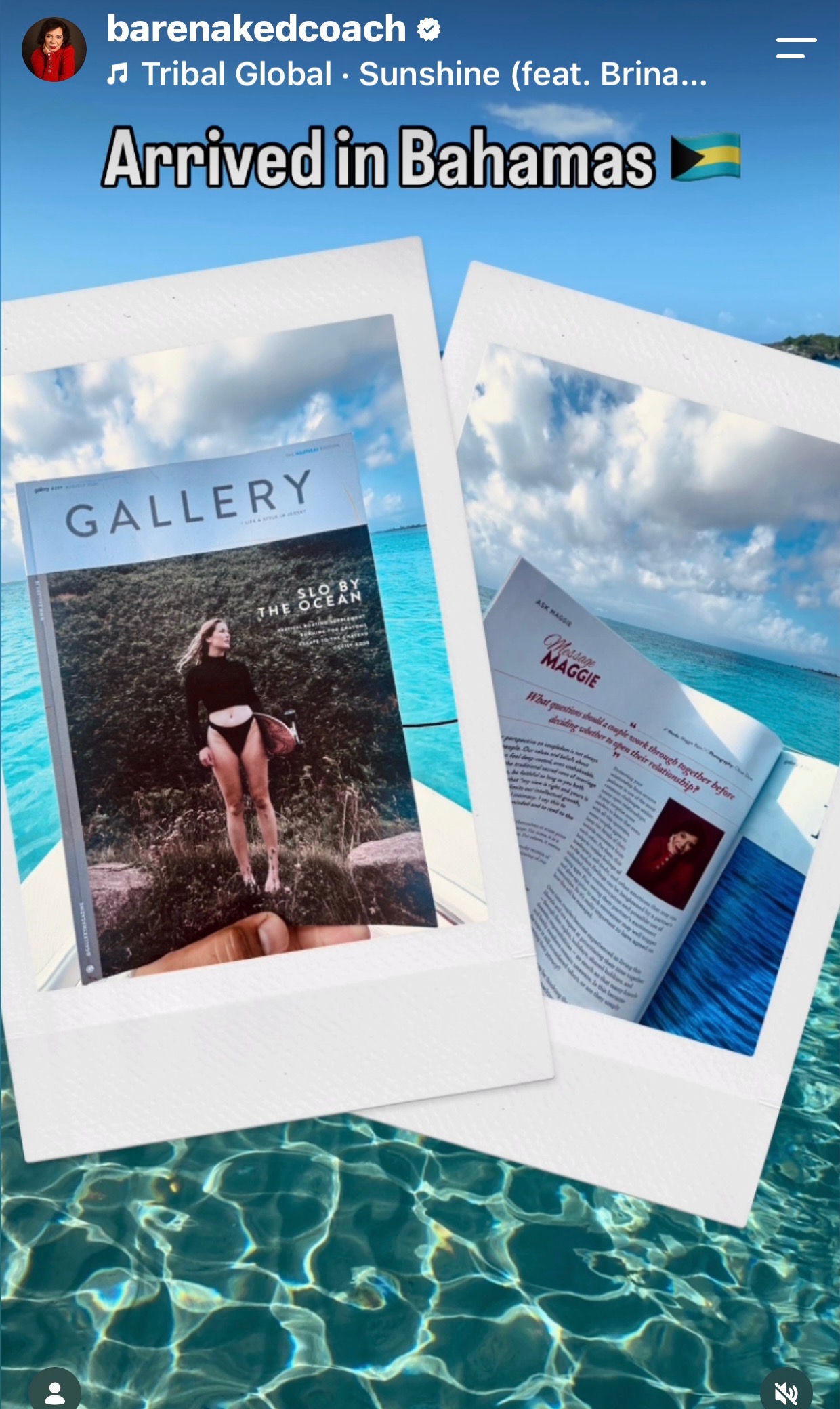
"What questions should a couple work through together before deciding whether to open their relationship?"
Widening our perspective on coupledom is not always easy for many people. Our values and beliefs about relationships often feel deep-rooted, even unshakeable. Whether these are the traditional sacred vows of marriage — "forsaking all others, be faithful so long as you both shall live" — or the idea that "my view is right and yours is wrong," such rigidity only limits our emotional growth, particularly in areas of sexual intimacy. I say this to encourage readers to be open-minded and to read to the end of this article.
There are many people who may have found themselves at some point in their lives considering this same lifestyle change. For some, it is a dilemma that requires considerable consideration. For others, it seems natural and easy.
Having guided individuals and couples through the rocky terrain of their relationships, I pose the same question at the beginning of our work together:
"As an individual — what do you really want?"
Self-reflection is key to unlocking the desires of the heart. Not what you know your partner wants, or what you think would help your relationship — but what you, alone, truly desire.
Hopefully, by taking the time to sit quietly and ask yourself some challenging questions, you will uncover some truths: "Am I looking to enhance our intimacy, or am I doing this because I feel there is a lack?" This is an important juncture, as deficiencies have a way of becoming exacerbated when we shine a spotlight on them.
So, the first question to ask yourselves is: How honest are you willing to be? Are you able to have mutually open conversations with your partner? This may seem obvious, but how many of us hold back — even the smallest truths? We believe we need to shield our partners, as they wouldn't be able to handle the truth. Practising having talks about dreams, fears, and fantasies will open the door to a deeper level of understanding. This level of intimacy requires deep trust — an agreement that what is shared will never be passed on.
Following these deep conversations, you should both be able to understand each other's motives for wanting to open your intimacy to others. Is it purely sexual, or is there a desire for more romantic connections? Once you both understand each other's intentions, the conversation then needs to move towards what type of open relationship might work for you.
Taking time to research alternative open relationship structures is important; these range from casual dating — with or without sexual encounters — to polyamory. Designing and customising this arrangement adds a sense of fair play. Everyone's needs and wants are taken into consideration, and ground rules are established. For example, mutual friends or coworkers may be off-limits. Logistics — such as how to manage STI testing, what to do if someone becomes overly emotionally involved, and how to handle this if you have children — also need to be addressed.
Protecting your relationship from erosive jealousy is one of the most common challenges within many open relationships. It may surprise some readers to know that even with all this openness, some couples agree to keep the details of their outside encounters from each other. For them, this helps to combat feelings of inadequacy, self-doubt, and other emotions that may rise to the surface. Feelings can be heightened by a partner's unlimited online communication and possible use of dating apps. Plus, seeing their partner's excitement and glow-up prior to each encounter may well trigger insecurities. So it's really important to have agreed on how this will be managed.
Over time, couples become experienced in living this lifestyle and are expert at prioritising their time together — through date nights, holidays, shared hobbies, and domestic responsibilities — so much so that many friends and family members remain unaware. Is this because the topic is still considered taboo, or are they simply protecting their privacy?
Many readers may be thinking that this all sounds too difficult — as nerve-wracking as having a secret affair. Some may feel it is like living with a grenade, waiting to explode. And yet, there are many couples who thrive on this level of excitement.
You may be thinking… "Yes, but what if things start going downhill?"
This is why a signed, personalised consent form is so important. Time frames are put in place to review the agreement, as experience may reshape thinking over time. Within the document, there is usually a "call-off" clause. Each person is allowed to halt proceedings if the outside person begins to negatively impact the primary relationship. This, of course, has the potential to become a very painful scenario should one person want to end the arrangement. It is an obviously very delicate area of consideration, but one that must be discussed at length.
So there you have it. Honesty, strong boundaries, and consent are needed for this lifestyle change to work — and for everyone to maintain peace of mind.
If you've got an anonymous relationship question you'd like to ask, scan here to send it to us for a future edition.
For Private Consultation at The Mind & Body Rooms, Charing Cross, St. Helier, in Person, or Zoom, message Maggie at maggie@barenakedcoach.com or visit barenakedcoach.com